Fascial Distortion Model (FDM)
Find the Pattern.Treat the Restriction.
If your pain feels like a line, a deep point, a pull, tightness or stuck movement, FDM helps us assess the pain pattern and treat the restricted tissue more specifically.
Jodhpur highlight
Being the only FDM Therapist in Jodhpur
Integrated with physiotherapy, chiropractic care and rehabilitation.
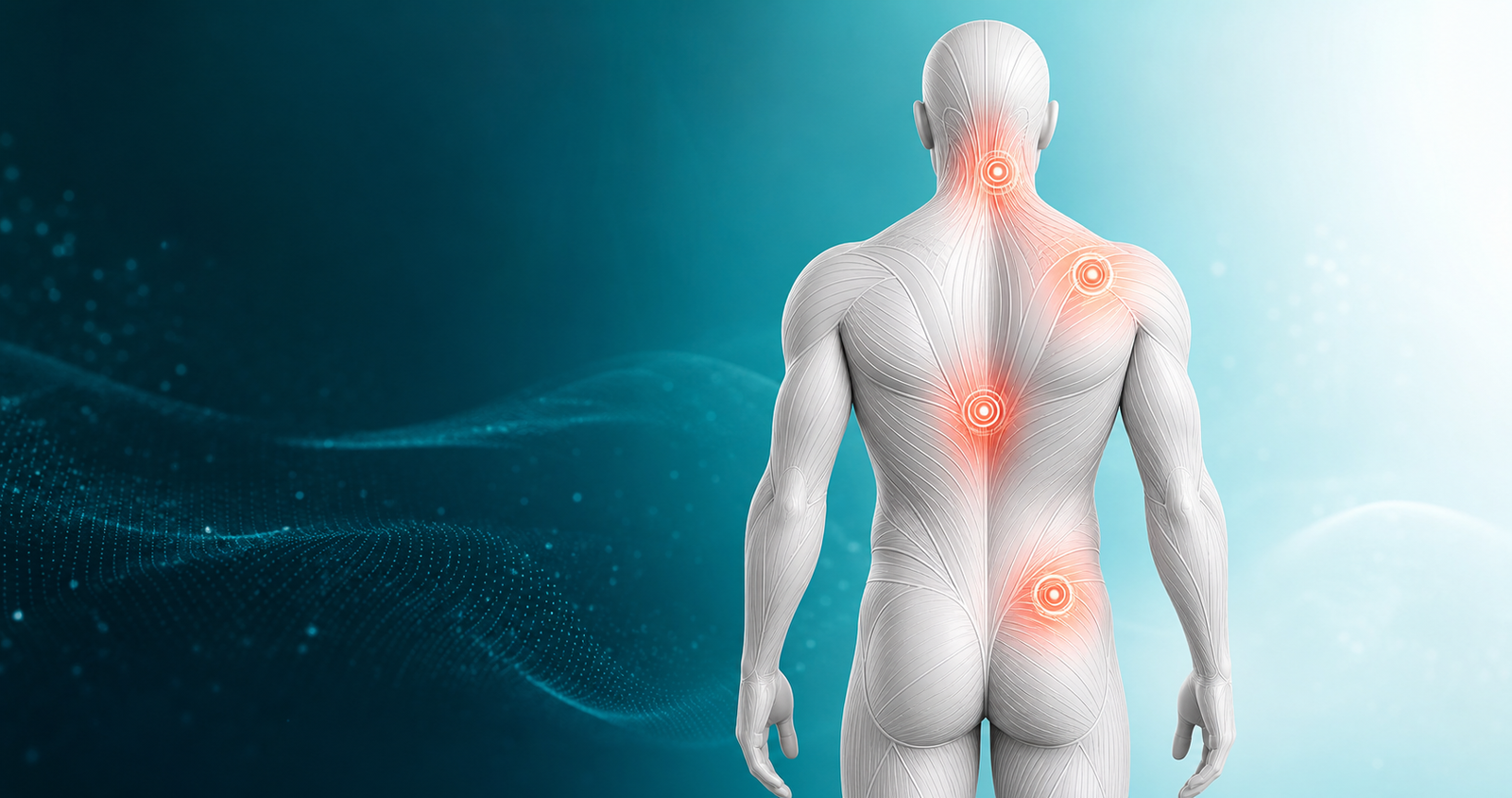
Line-like painPain follows a specific line
Deep painful pointLocalized tender spot
Stuck movementRestriction in movement
Soft tissue tightnessTightness or asymmetry
The FDM Approach
Identify the fascial distortion pattern.
Pinpoint the pain, restriction and movement loss.
Apply specific hands-on techniques.
Restore normal movement and function.
When FDM may help
When Pain Feels Specific, Sharp or Stuck
FDM is not chosen randomly. We first look at how you describe the pain, where you point, how movement is restricted and what changes during testing.
Sharp line-like pain
Pain that feels like a clear pulling, burning or line pattern through the body.
Deep painful point
A specific spot that feels tender, deep or difficult to release with usual care.
Pulling or twisting feeling
Discomfort that feels stuck, twisted, compressed or locked after strain or injury.
Restricted movement
Movement feels blocked even when pain is not severe.
Pain after injury
Soft tissue pain patterns after sprain, strain, fall, sports injury or overload.
Pain returning again
Symptoms settle for a short time, then return when load or activity increases.
Is this for you?
Who May Benefit From an FDM Assessment?
FDM is considered when your pain pattern is clear, movement feels blocked, or soft tissue restriction is stopping progress with exercise, chiropractic care or daily activity.
You can point to the pain pattern
The pain feels like a line, pull, deep point or stuck area rather than a vague ache.
Movement feels restricted
You can move, but one direction feels blocked, guarded, tight or uncomfortable.
Pain keeps returning
Temporary relief happens, but the same stiffness or pain returns with work, posture, walking or sport.
Rehab needs support
FDM may help when soft tissue pain is limiting physiotherapy exercise, chiropractic mobility work or strength progress.
What we look for
FDM Pain Patterns & Hands-On Techniques We Assess
Instead of guessing from the painful area alone, FDM looks at how your pain behaves and which movement feels restricted.
Line-like pulling pain
Often described as a painful line, band or pulling path across the body.
Deep painful spot
A focused deep point that may feel tender, heavy or stuck.
Pinpoint joint-edge pain
A small, specific pain near a joint, tendon or bony edge.
Compression or twist injury
Discomfort linked with a compressed, twisted or awkward injury pattern.
Broad ache or tension
Pain that feels broad, difficult to point to, tight or unusual.
Stiff, blocked movement
A feeling that the area is stuck, dry, jammed or not gliding smoothly.
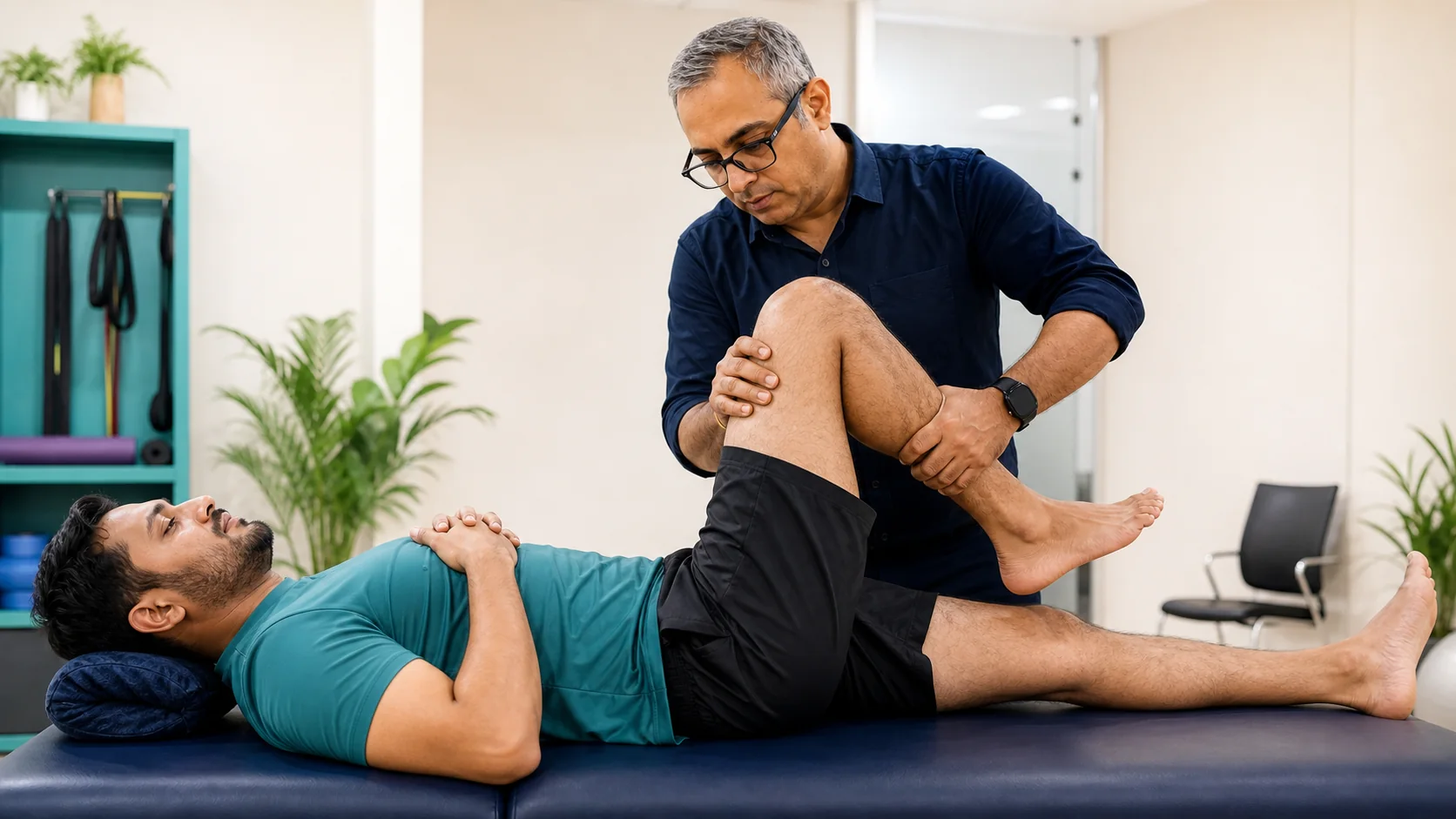
FDM + physiotherapy
Helping Exercises Work Better
When pain guarding, tight fascia or soft tissue restriction is limiting movement, FDM may be used before or alongside physiotherapy.
The goal is to reduce restriction, improve comfortable movement and then progress into exercise, strength, posture correction and daily activity training.
MobilityStrengthPostureExercise progression
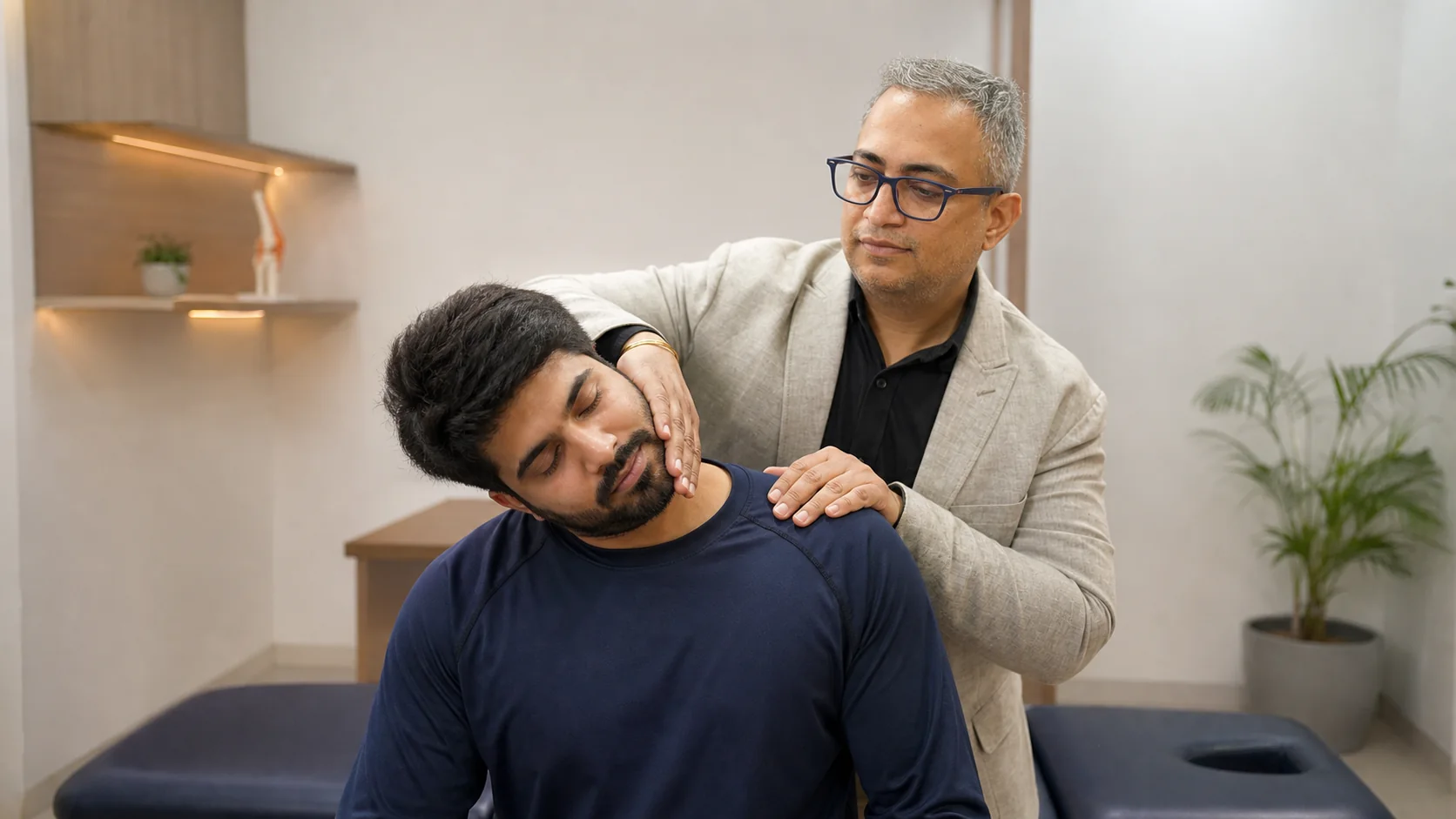
FDM + chiropractor
Supporting Joint Mobility Work
Sometimes stiffness is not only a joint issue. Soft tissue tension and fascia-related pain patterns may also be contributing.
When suitable, FDM can support chiropractic care by addressing soft tissue restriction along with movement and joint assessment.
Neck stiffnessBack discomfortMovement restrictionHands-on care
Conditions
Problems Where FDM May Be Considered
FDM is considered after assessment when the pain behaviour and movement findings suggest fascia or soft tissue restriction may be involved.
Neck painBack painShoulder stiffnessSports injury pain patternsSoft tissue tightnessHip or knee mobility restrictionPost-injury stiffnessWork-related discomfort
Book Assessment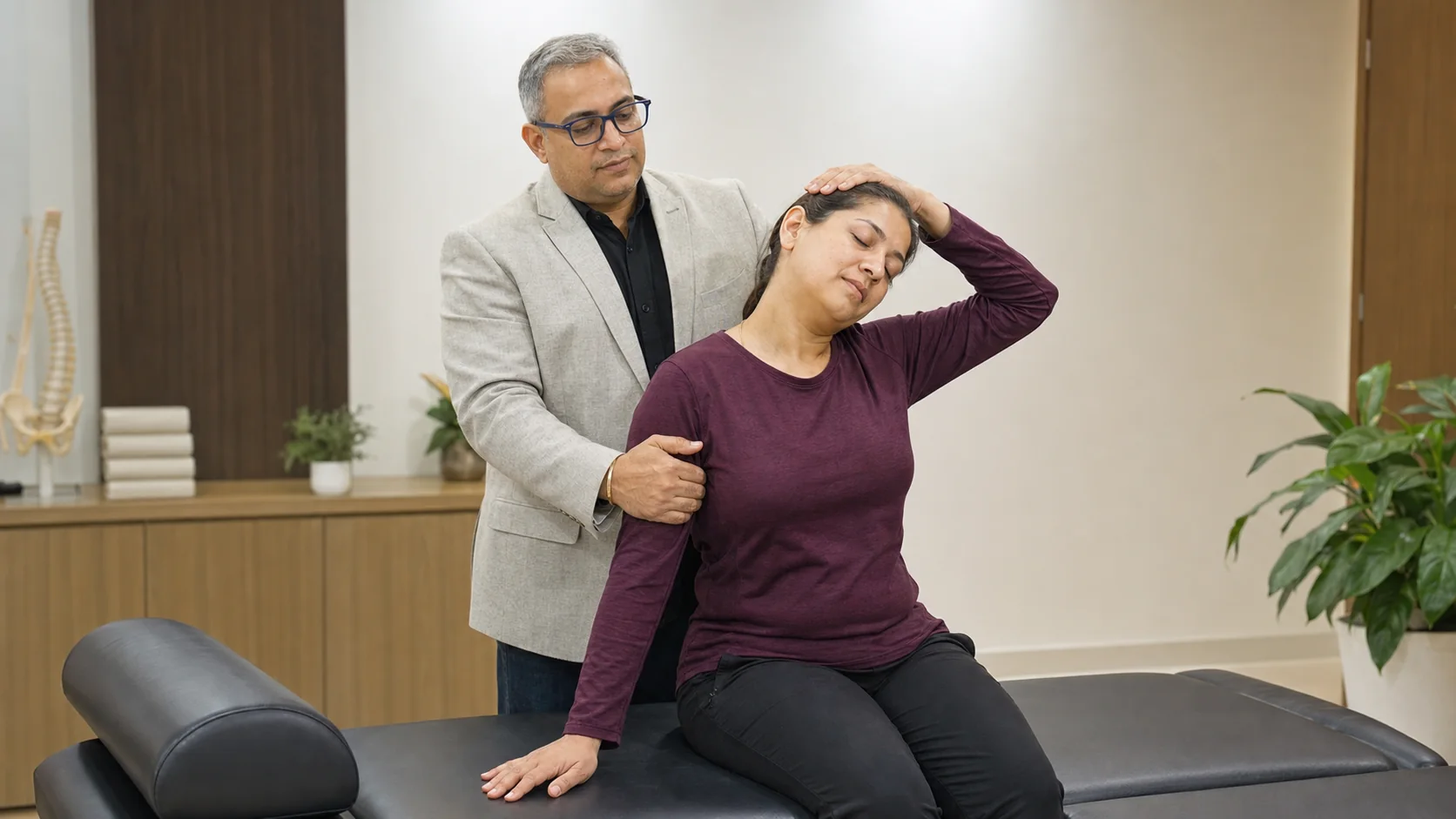
Your visit
How an FDM Visit Is Planned
Listen to the pain story
We understand where the pain is, how it behaves and what movement it affects.
Test movement and pattern
We check mobility, soft tissue response, painful positions and clinical suitability.
Focused hands-on care
FDM techniques are selected according to the pattern, comfort and response.
Retest and progress
Movement is retested and care is linked with physiotherapy, chiropractic or rehab when needed.
Why integrate care?
FDM Works Best When It Supports the Bigger Recovery Plan
FDM can be helpful, but it should not become the whole story. At Harish Physiotherapy & Chiropractic Centre, it is used as part of a complete plan when appropriate.
Better movement comfort
Useful when soft tissue tightness is limiting natural motion.
Improved rehab response
Can help patients tolerate and progress exercise more confidently.
More complete care
Fits with physiotherapy, chiropractic care, posture guidance and strength work.
Safety first
Not Every Pain Needs FDM
If your symptoms suggest medical red flags, nerve involvement, recent trauma, infection signs, imaging review or a different treatment approach, we will guide you honestly. FDM is used only when it is suitable after assessment.
True patient experience
What Patients Have Shared After Focused Care
These short stories are based on patient experiences shared through clinic video content. Treatment is always planned after assessment, and individual results can vary.

TMJ / jaw mobility
Real patient testimonial
Mouth opening became easier and more controlled
"My mouth was not opening fully and it was moving diagonally. After focused assessment and treatment, opening felt easier and better controlled."
Symptoms shared: incomplete mouth opening, jaw sound, headache and ear pain
Treatment focus: TMJ assessment and fascia-focused FDM work
Patient shared: mouth opening felt easier and better controlled

Neck & shoulder stiffness
Real patient testimonial
Pain and stiffness felt more comfortable after treatment
"I was having pain and stiffness in my neck and shoulder. After the treatment, I felt much better and more comfortable."
Symptoms shared: neck and shoulder pain with stiffness
Treatment focus: focused hands-on care and movement check
Patient shared: pain and stiffness felt more comfortable
Patient experiences are shared for education and trust-building. They are not a guarantee of the same result for every patient.
Have a similar pattern?
Ask If FDM Is Suitable for Your Pain or Stiffness
Share where you feel pain, what movement feels blocked, and how long it has been troubling you. We will guide you whether FDM, physiotherapy, chiropractic care or rehab is the better starting point.
Connected care
FDM Is One Part of a Complete Recovery Plan
Depending on your assessment, FDM can be combined with the right treatment pathway so pain relief connects with better movement, strength and day-to-day function.
FAQs
Questions About FDM Treatment
What is FDM?
FDM stands for Fascial Distortion Model. It is a hands-on assessment and treatment approach used for selected fascia-related pain patterns, soft tissue tightness and movement restriction.
Is FDM used with physiotherapy?
Yes. FDM may be used with physiotherapy when soft tissue restriction or pain guarding is limiting movement, exercise or recovery.
Is FDM used with chiropractic care?
Yes. FDM may support chiropractic care when joint restriction and soft tissue tightness are both contributing to the problem.
Is FDM painful?
Some techniques can feel firm or intense, but treatment is adjusted according to comfort and clinical suitability.
What problems can FDM be considered for?
It may be considered for selected neck pain, back pain, shoulder stiffness, sports injury pain patterns, soft tissue tightness and restricted movement after assessment.
Do I need assessment before FDM?
Yes. Assessment is essential because the correct treatment depends on your symptoms, safety screening, movement findings and response.
Start with assessment
Not Sure If FDM Is Right for Your Pain?
Book an assessment and we will guide you clearly. If FDM is suitable, it can be included in your plan. If physiotherapy, chiropractic care or another approach is better, you will be advised accordingly.
Harish Physiotherapy & Chiropractic Centre
17/442, Chopasni Housing Board, Jodhpur
Phone: 9460216161